
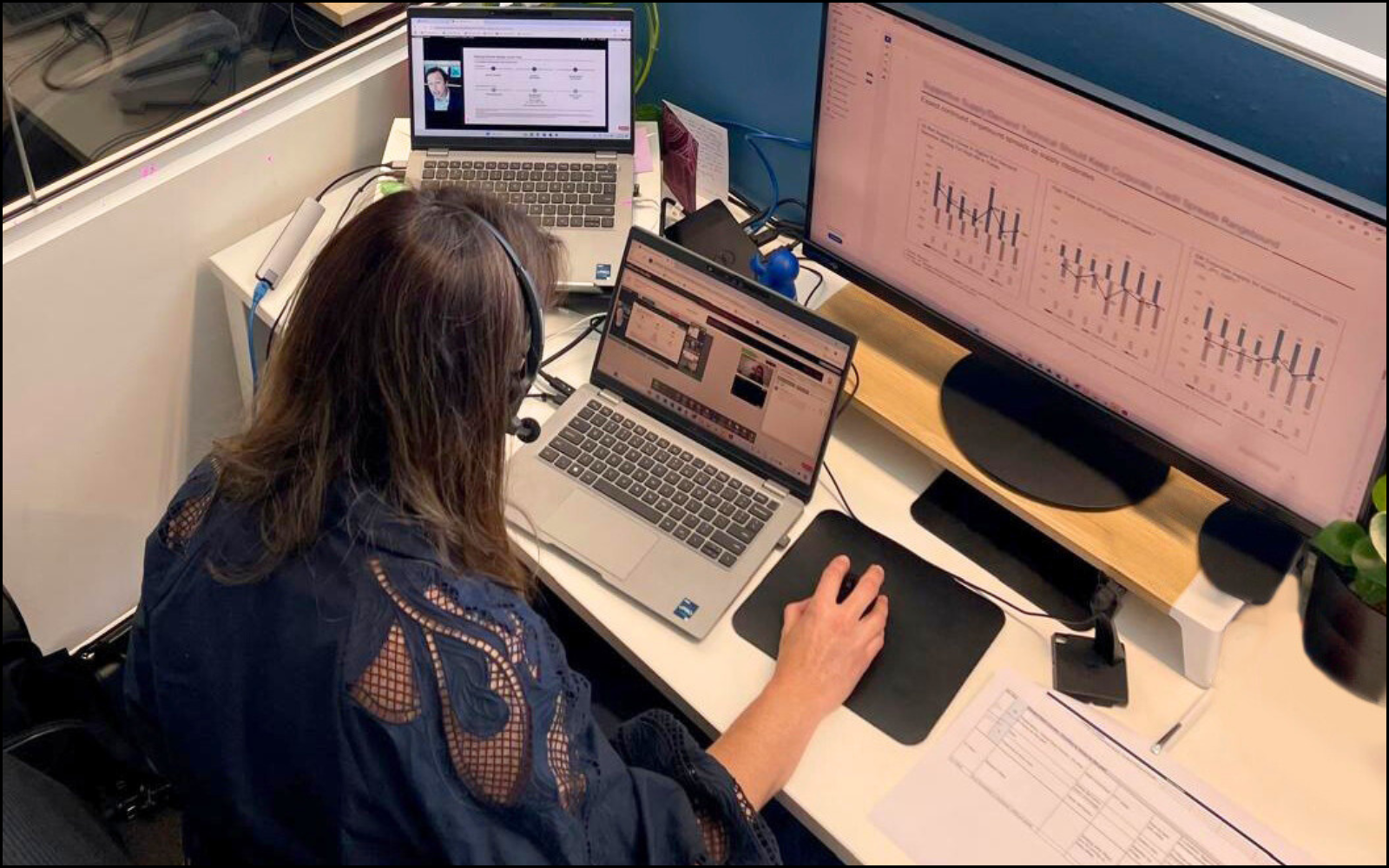
A virtual event isn’t simply an in-person event moved online. While that might sound obvious, it’s one of the most common traps event organisers fall into. Successful virtual events require a shift in mindset from how content is delivered, to how audiences engage, and how risks are managed in a digital environment.
Here are some key considerations when planning a virtual event that’s designed for the screen, not just adapted to it.
Rethink how content is delivered
Content that works well in a physical room doesn’t always translate online. Workshops, panel discussions and interactive sessions need to be carefully assessed for a virtual format.
In a virtual environment, you’re balancing:
- What the platform can technically support
- How presenters interact with attendees
- How much attention participants can realistically give
Unlike onsite events, attendees can disengage or leave at any time without friction. That makes thoughtful content design essential to keeping people involved.
Shorter sessions make a big difference
Attention spans in virtual environments are significantly shorter than onsite. Long, back-to-back sessions can quickly lead to screen fatigue.
Smarter scheduling might include:
- Shorter, more focused sessions
- Adequate breaks between sessions
- A shorter overall event day
- Splitting a full-day program across multiple shorter days
Rather than replicating a traditional 8:00am–5:00pm conference online, a more condensed approach often results in stronger engagement and better retention.
Engagement needs to be intentional
Virtual attendance doesn’t guarantee virtual engagement. Keeping audiences involved requires more than simply logging in.
Effective virtual engagement can include:
- Purposeful use of polls, Q&A and chat functions
- Clear guidance from hosts and moderators
- Encouraging interaction at regular intervals
The aim is to create an experience that feels active and considered, rather than passive.
Plan for the unexpected
Technology adds an extra layer of risk, making contingency planning critical for virtual events.
This includes:
- Backup plans with Audio Visual and streaming partners
- Clear response scenarios if platforms or streams fail or are interrupted
- A way to communicate with attendees outside the event platform
Having pre-prepared email communications or alternate messaging methods ensures you can stay connected with your audience if something doesn’t go to plan.
Support presenters with extra preparation
Virtual presenters don’t have the same informal opportunities to connect or prepare as they would onsite. There’s no green room catch-up or quick pre-session chat.
Scheduling rehearsals allows time to:
- Familiarise presenters thoroughly with the virtual delivery platform
- Walk through session flow and interaction tools
- Clarify roles between hosts, moderators and panellists
- Ensure that the environment and equipment being used by the presenter including internet, screens, headset and microphone are fully tested
This extra preparation builds confidence and contributes to a smoother, more professional delivery.
Why virtual events deserve their own focus
Virtual events shouldn’t be treated as a scaled-down version of hybrid or onsite formats. While hybrid events often dominate planning conversations, virtual-only events still play an important role and require a distinct approach.
For many organisers, virtual events remain an area where experience is limited. Planning them intentionally, rather than defaulting to onsite structures, is key to delivering successful outcomes.
Final thought
When virtual events are planned with purpose they can be engaging, efficient and genuinely impactful. The key is recognising that online audiences behave differently and designing experiences that cater for their unique requirements.
With the right technology, preparation and support in place, virtual delivery can be just as seamless as any onsite event. At Touchpoint, we work alongside event teams from planning through to live delivery, helping ensure platforms, people and processes come together for a smooth, confident virtual experience.